Common Mistakes in LVT & Laminate Installation
Incorrect installation is one of the main reasons for early failure in both LVT and laminate flooring.
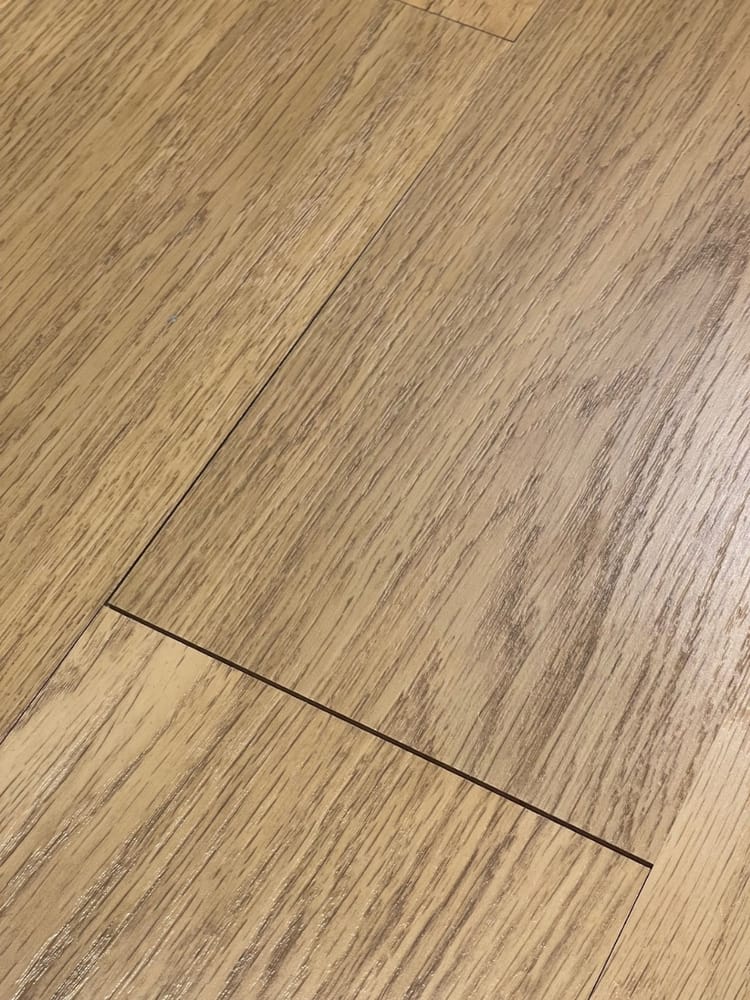
One of the most common issues is installing over an uneven or unstable surface. Without proper subfloor preparation, even small imperfections can cause movement, leading to stress in the click system and eventual joint failure.
Another frequent mistake is using the wrong type of underlay or skipping it entirely where required. Laminate flooring typically needs a suitable underlay to perform correctly, while adding extra underlay under LVT with an integrated backing can create unwanted movement and reduce stability.
Lack of expansion gaps is also a major problem. Without enough space around the edges, the floor cannot expand and contract naturally, which can result in lifting or locking system damage.
In some cases, floors are installed before the subfloor has reached the correct moisture levels. This can lead to long-term issues, especially with laminate, where moisture can cause swelling and deformation.
Proper installation is not just about fitting the boards together — it’s about preparing the base correctly and following the right system for each type of flooring to ensure durability and long-term performance.